Insulet Corporation Recall
Omnipod 5 Pods. Model/Catalog number: PT-001662 ASM 5PK Pod STRL OPS G6G7
Updated March 12, 2026
Insulet Corporation is recalling Omnipod 5 Pods. Model/Catalog number: PT-001662 ASM 5PK Pod STRL OPS G6G7. Hazard: Due to a manufacturing defect, certain Omnipod 5 Pods from 49 lots have an internal soft cannula tear that results in insulin leaking into the Pod instead of being delivered to the user regardless of basal or bolus delivery. This defect results from damage to the unexposed portion of the soft cannula during manufacturing, which would result in a compromised fluid path. The primary failure mode is pump under-delivery due to loss of insulin to an internal leak; in some cases, the defect may also lead to pump shutoff and cessation of insulin delivery when leaked insulin contacts Pod circuity in a manner that results in an electrical short. Under-delivery of insulin (both basal and bolus insulin) or cessation of insulin put users at risk of hyperglycemia, and complications from acute and chronic hyperglycemia, including dehydration, blurry vision, nausea, vomiting, altered mental status, diabetic ketoacidosis (DKA), hyperglycemic hyperosmolar syndrome (HHS), or even death. Users may require hospitalization or medical intervention to treat severe adverse health consequences. Not all devices with the defect will issue an alarm or alert the user. If there is sufficient leakage of insulin to cause a short in the circuity, the Pod will issue a Hazard Alarm that stops all insulin delivery and alerts the user to replace their Pod. In addition, if a user s glucose is trending high and is not responding to insulin delivery, the system may reach the maximum amount of insulin microboluses allowed by the system and trigger the Automated Delivery Restriction (ADR) alert that tells users to check their blood glucose and take appropriate actions (i.e., ADR is a response to persistent hyperglycemia and maximum automated delivery constraints rather than a direct detection of the leak). The magnitude of under-delivery is unknown and based on multiple factors, including how much insulin is being delivered, whether an alarm and/or alert triggers, whether and when the user recognizes the device defect, the duration of Pod use, and the size of the tear.
Is the Insulet Corporation recalled? Yes. This product was recalled by FDA on March 12, 2026. Details below.
What is recalled
Omnipod 5 Pods. Model/Catalog number: PT-001662 ASM 5PK Pod STRL OPS G6G7
Am I affected
You may be affected if you own this product. Check the brand, model, and lot/date codes listed in the recall against your item.
What to do right now
Voluntary: Firm initiated
The hazard
Due to a manufacturing defect, certain Omnipod 5 Pods from 49 lots have an internal soft cannula tear that results in insulin leaking into the Pod instead of being delivered to the user regardless of basal or bolus delivery. This defect results from damage to the unexposed portion of the soft cannula during manufacturing, which would result in a compromised fluid path. The primary failure mode is pump under-delivery due to loss of insulin to an internal leak; in some cases, the defect may also lead to pump shutoff and cessation of insulin delivery when leaked insulin contacts Pod circuity in a manner that results in an electrical short. Under-delivery of insulin (both basal and bolus insulin) or cessation of insulin put users at risk of hyperglycemia, and complications from acute and chronic hyperglycemia, including dehydration, blurry vision, nausea, vomiting, altered mental status, diabetic ketoacidosis (DKA), hyperglycemic hyperosmolar syndrome (HHS), or even death. Users may require hospitalization or medical intervention to treat severe adverse health consequences. Not all devices with the defect will issue an alarm or alert the user. If there is sufficient leakage of insulin to cause a short in the circuity, the Pod will issue a Hazard Alarm that stops all insulin delivery and alerts the user to replace their Pod. In addition, if a user s glucose is trending high and is not responding to insulin delivery, the system may reach the maximum amount of insulin microboluses allowed by the system and trigger the Automated Delivery Restriction (ADR) alert that tells users to check their blood glucose and take appropriate actions (i.e., ADR is a response to persistent hyperglycemia and maximum automated delivery constraints rather than a direct detection of the leak). The magnitude of under-delivery is unknown and based on multiple factors, including how much insulin is being delivered, whether an alarm and/or alert triggers, whether and when the user recognizes the device defect, the duration of Pod use, and the size of the tear.
Brands affected
- Source
- FDA
- Category
- Drugs & Medications
- Recall ID
- fda-Z-1797-2026
- Classification
- Class I
- Recalled
- March 12, 2026
Get free recall alerts
New Drugs & Medications recalls, the moment they post.
Free forever. Unsubscribe anytime. We never sell your data.
More Drugs & Medications recalls
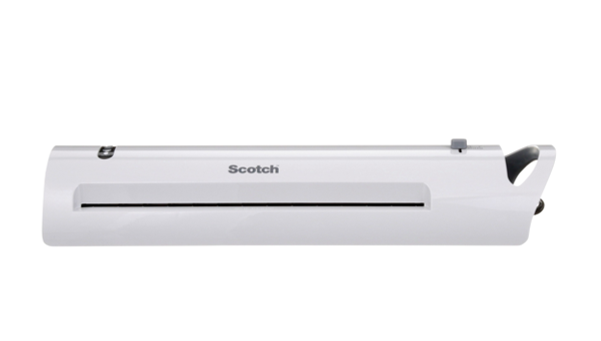
ScotchTM Thermal Laminators Recall
ScotchTM Thermal Laminators is recalling 3M Company Recalls ScotchTM Thermal Laminators Due to Risk of Serious Injury or Death from Fire Hazard. Hazard: The …
Scotch™ Thermal Laminators

The manufacturer Recall
The manufacturer is recalling Regfear Recalls BedsPick Mattresses Due to Risk of Serious Injury or Death from Fire; Violate Mandatory Flammability Standard for …
BedsPick Mattresses
BedsPick Mattresses Recall
BedsPick Mattresses is recalling Regfear Recalls BedsPick Mattresses Due to Risk of Serious Injury or Death from Fire; Violate Mandatory Flammability Standard …
BedsPick Mattresses